



ESG in Personal Finance: Balancing Finance and Causes You Care About
Home » Blog » Personal Finance » ESG in Personal Finance: Balancing Finance and Causes You Care About
In today’s world, many individuals strive to align their financial goals with their values and beliefs. This desire has given rise to a new approach called Environmental, Social, and Governance (ESG) investing. ESG investing allows individuals to balance growing their finances with supporting causes they care about. This article aims to explore the concept of ESG and provide insights into how individuals can incorporate it into their personal finance strategies.
Understanding ESG: Environmental,
Social, and Governance Factors
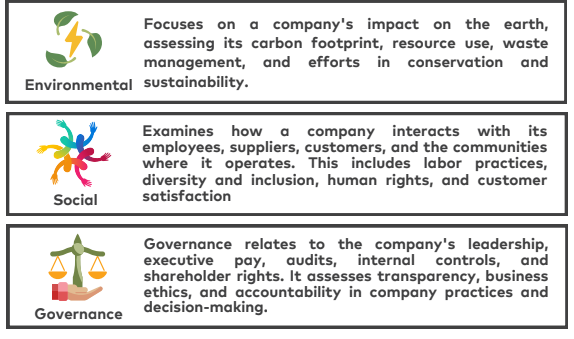
ESG investing goes beyond financial metrics and considers environmental, social, and governance factors when evaluating investment opportunities. Environmental factors assess a company’s environmental impact, such as its carbon emissions or waste management practices. Social factors focus on a company’s relationships with employees, customers, and communities, as well as its commitment to diversity and inclusion. Governance factors examine a company’s leadership, transparency, and ethical practices. By considering these factors, individuals can invest in companies that align with their values and support the causes they care about.
Identifying Your Values and Causes
Before integrating ESG into your personal finance strategy, it’s important to identify the values and causes that matter most to you. Reflect on the issues you are passionate about, whether it’s climate change, social justice, human rights, or sustainable business practices. By understanding your values, you can align your financial decisions with causes that resonate with you on a personal level.
Researching ESG Investment Options
Once you have identified your values and causes, it’s time to research ESG investment options. Start by exploring ESG-focused mutual funds, exchange-traded funds (ETFs), and impact investing platforms. These investment vehicles pool funds from multiple investors to invest in
companies that meet specific ESG criteria. Additionally, many financial institutions now offer ESG-focused investment portfolios or provide ESG ratings for individual stocks. Thorough research will help you find investment options that align with your values and financial goals.
Finding and Researching ESG Investments: A Bullet Guide
- Identify Your ESG Criteria
- Use ESG Rating Systems
- Explore ESG Funds and ETFs
- Check Fund Holdings
- Consider the Impact
- Review Fees and Performance
- Stay Informed
- Seek Professional Advice
- Diversify Your Portfolio
Evaluating ESG Criteria
When evaluating ESG investments, it’s essential to understand the criteria used to assess a company’s environmental, social, and governance performance. Look for transparency in reporting, robust sustainability practices, and adherence to ethical standards. Consider companies that have clear goals for reducing their environmental impact, promoting diversity and inclusion, and demonstrating strong corporate governance. By evaluating these criteria, you can select investments that align with your values and have a positive impact on the causes you care about.
Balancing Risk and Return
While investing based on your values is important, it’s crucial to balance risk and return. ESG investments should not compromise your financial well-being. Evaluate the financial performance of the companies or funds you are considering, looking at factors such as of historical returns,
management expertise, and market trends. Remember that just because an investment aligns with your values doesn’t guarantee financial success. Diversify your portfolio to mitigate risk and seek professional advice if needed.

Monitoring and Adjusting Your Portfolio
Regularly monitor and review your ESG investments to ensure they align with your values and financial goals. The ESG landscape is constantly evolving, and companies’ performances may change over time. Stay informed about updates in sustainability practices, social initiatives, and corporate governance of the companies in your portfolio. If necessary, make adjustments to your investments to maintain alignment with your values and maximise your financial potential.
ESG investing allows individuals to balance their financial growth with supporting causes they care about. By considering environmental, social, and governance factors, individuals can align their investments with their values, promoting positive change and contributing to a sustainable future. Through thorough research, careful evaluation, and active engagement, it is possible to strike a balance between personal finance and supporting causes that have a meaningful impact on society and the world. Talk to us today to find out more about the ESG investment portfolios in today’s current market.
Related Posts

Nurturing Tomorrow’s Minds: How to Plan for Your Children’s Education – A Guide for Expat Families
As parents, providing a sound education is one of the most valuable gifts we can give our children.

Safeguarding Your Wealth: The Essence of Asset Protection
Asset protection is a cornerstone of financial security and peace of mind. It involves identi

Business Travel: Company Insurance, MNCs, SMEs and Global Destinations
In the dynamic landscape of modern business, the world becomes a canvas upon which opportunities are