



Crafting Your Legacy: The Importance of Trusts and Wills
Home » Blog » Personal Finance » Crafting Your Legacy: The Importance of Trusts and Wills
In the tapestry of life, we weave our stories, dreams, and aspirations. But what happens to these threads of existence when we’re no longer here?

This is where trusts and wills step in – powerful tools that allow you to shape your legacy, protect your loved ones and ensure your wishes are carried out. In this guide, we will explore the significance of trusts and wills, debunk the notion that one is “too young” to create them, and delve into the essential elements of a Will, Lasting Power of Attorney (LPA) and Advance Medical Directive (AMD).
No Such Thing as Too Young to Make a Will
Contrary to popular belief, age should not be a barrier when it comes to creating a will. A will is not solely for the elderly or those with vast assets. Anyone who has assets, financial responsibilities or loved ones can benefit from having a will. Life is unpredictable and ensuring your wishes are known and respected can provide peace of mind at any age.
Elements of a Will
A will serves as a roadmap that guides the distribution of your assets and the execution of your wishes after you’re gone. To create a comprehensive will, consider including the following elements:
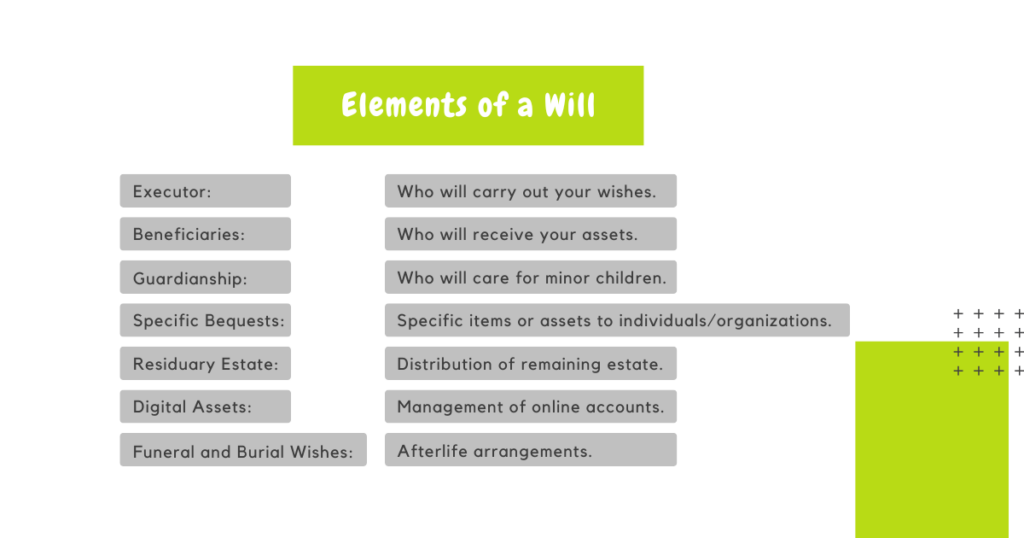
- Executor: Appoint a trustworthy individual to carry out the instructions in your will.
- Beneficiaries: Specify who will receive your assets and in what proportions.
- Guardianship: If you have minor children, designate a guardian who will care for them in your absence.
- Specific Bequests: Detail any specific items or assets you wish to leave to particular individuals or organisations.
- Residuary Estate: Address how the remainder of your estate will be distributed after specific bequests.
- Digital Assets: Consider how you want your digital assets such as social media accounts and online accounts to be managed.
- Funeral and Burial Wishes: Outline preferences for afterlife arrangements.
Lasting Power of Attorney (LPA)
A LPA is a legal document that empowers someone you trust to make decisions on your behalf should you become mentally incapacitated. It ensures that your financial, property and personal welfare matters are handled according to your preferences, even if you are unable to express them.

Advance Medical Directive (AMD)
An AMD allows you to make your wishes regarding medical treatment known in advance, in case you are unable to communicate your preferences due to illness or incapacity. It ensures that your healthcare decisions align with your values and beliefs.
Crafting Your Legacy
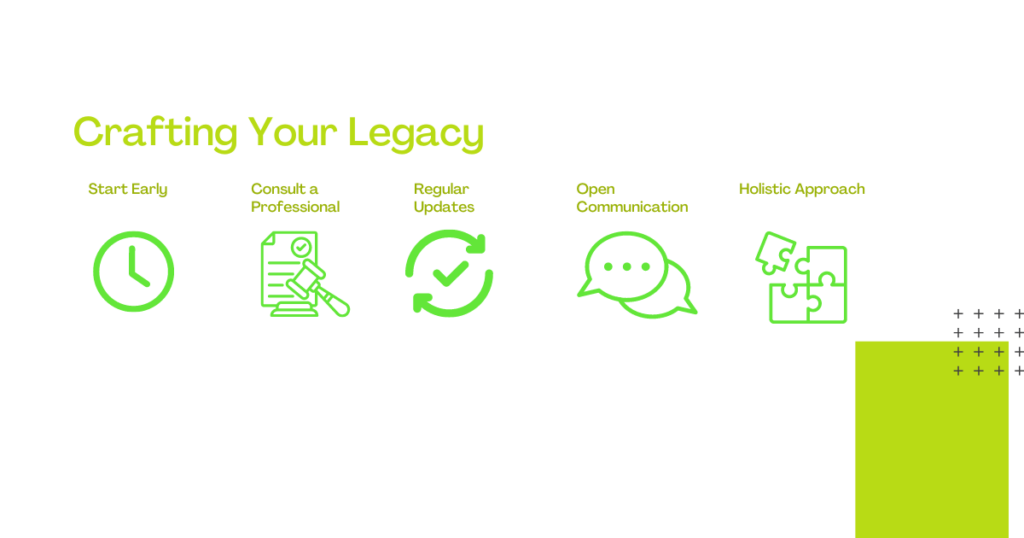
- Start Early: Don’t wait until later in life to create a will. It’s never too soon to outline your wishes and protect your loved ones.
- Consult a Professional: Seek legal advice when creating a will, LPA or AMD to ensure they are valid and comprehensive.
- Regular Updates: Revisit and update your will, LPA and AMD periodically to reflect any changes in your circumstances or preferences.
- Open Communication: Discuss your decisions with your loved ones. Transparency can prevent misunderstandings and provide clarity.
- Holistic Approach: Consider not only the distribution of assets but also matters related to guardianship, digital assets, and end-of-life decisions.
Trusts and wills are not just legal documents; they are instruments of care, compassion and consideration. By creating a will, LPA and AMD, you take proactive steps to ensure your legacy is honoured, your loved ones are protected, and your wishes are respected. Age is not a factor when it comes to shaping your legacy; the sooner you start, the greater the sense of security and peace of mind you can provide for yourself and those you hold dear.
A simple step to get started is to embark on a Financial Life Design™. Let us guide you through these difficult questions and decisions.
Related Posts

Nurturing Tomorrow’s Minds: How to Plan for Your Children’s Education – A Guide for Expat Families
As parents, providing a sound education is one of the most valuable gifts we can give our children.

Safeguarding Your Wealth: The Essence of Asset Protection
Asset protection is a cornerstone of financial security and peace of mind. It involves identi

Business Travel: Company Insurance, MNCs, SMEs and Global Destinations
In the dynamic landscape of modern business, the world becomes a canvas upon which opportunities are