



Events Made Easy: Navigating Venue Rentals and Third-Party Liabilities
Home » Blog » General Finance » Events Made Easy: Navigating Venue Rentals and Third-Party Liabilities
Cash flow management is the heartbeat of every successful business. It involves understanding, tracking and optimising the movement of money in and out of your company. In this article, we’ll explore the art of cash flow management, including the critical tasks of identifying periods of surplus and shortfall. Additionally, we’ll delve into the world of Buy Now, Pay Later (BNPL) services, understanding how they work for businesses, and weighing the benefits and risks associated with their adoption.
1. The Venue Rental Dilemma
Venue rentals often constitute a substantial portion of an event’s budget. Selecting the right venue at the right price can significantly impact the overall financial health of your event. Here’s how to approach this critical decision:
Identifying Periods of Surplus and Shortfall
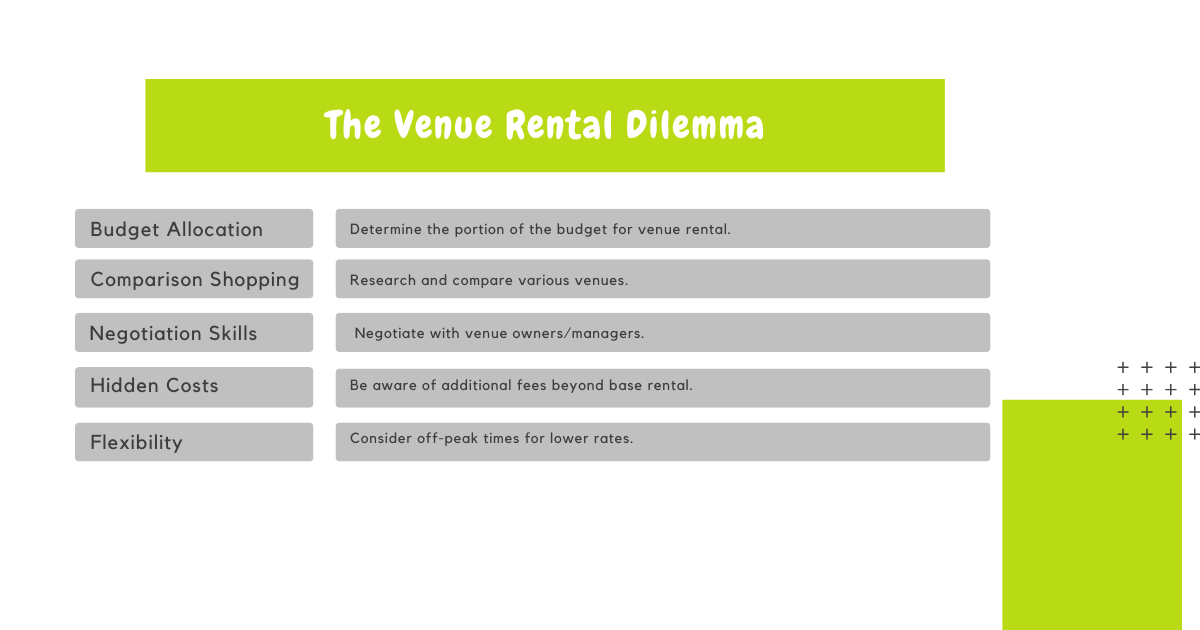
Budget Allocation
Determine the portion of your event budget that can be allocated to venue rental. This will help you narrow down options and make informed choices.
Comparison Shopping
Research various venues that fit your budget and event requirements. Request quotes and details of what’s included in the rental package.
Negotiation Skills
Don’t hesitate to negotiate with venue owners or managers. Depending on the date, time, and services required, you might secure a more favourable rate.
Hidden Costs
Ensure you’re aware of any additional fees beyond the base rental, such as cleaning, security, or catering requirements.
Flexibility
Consider hosting your event during off-peak times or on weekdays, as venues often offer lower rates during these periods.
2. Handling Third-Party Liabilities
Third-party liabilities encompass the risks and responsibilities associated with hosting an event that involves vendors, attendees, and participants. It is crucial to manage these liabilities effectively to avoid financial setbacks.

Liability Insurance
Acquire liability insurance that covers potential accidents, injuries, or damage caused during the event. This protects you from legal and financial repercussions.
Vendor Agreements
When working with vendors—caterers, decorators, entertainers—ensure you have comprehensive agreements in place that outline their responsibilities and liabilities.
Safety Measures
Implement safety protocols and signage to minimise the risk of accidents. Adequate lighting, clear pathways, and proper security can help prevent incidents.
Legal Expertise
Consult with legal professionals who specialise in event planning to ensure your contracts and agreements are legally sound and protect your interests.
Participant Waivers
For events involving physical activities or sports, consider having participants sign waivers that acknowledge the risks involved.
3. Financial Preparedness: A Holistic Approach
Successful event planning requires a comprehensive financial approach that goes beyond just venue rentals and third-party liabilities:

Budget Buffer
Build a buffer into your budget to account for unforeseen expenses or emergencies.
Vendor Relationships
Cultivate positive relationships with vendors, as they might offer discounts or additional services if you’re a returning customer.
Attendee Engagement
Consider offering early bird discounts or promotions to encourage early registrations, boosting your cash flow.
Record Keeping
Maintain meticulous records of all financial transactions and agreements related to the event.
Post-Event Analysis
Conduct a thorough analysis of the event’s financial performance to identify areas of improvement for future events.
Events are multifaceted endeavours that require careful financial planning and execution. From choosing the right venue to managing third-party liabilities, your approach to finance can significantly impact the success and profitability of your event. By allocating your budget wisely, negotiating effectively, and implementing risk management strategies, you set the stage for an event that not only leaves lasting memories but also aligns with your financial goals.
Events are not just about the experience; they are also about the financial legacy you create as you orchestrate a harmonious balance between financial responsibility and a memorable experience for all involved. If you need some tips, get in touch with us at Financial Life Design.
Related Posts

Nurturing Tomorrow’s Minds: How to Plan for Your Children’s Education – A Guide for Expat Families
As parents, providing a sound education is one of the most valuable gifts we can give our children.

Safeguarding Your Wealth: The Essence of Asset Protection
Asset protection is a cornerstone of financial security and peace of mind. It involves identi

Business Travel: Company Insurance, MNCs, SMEs and Global Destinations
In the dynamic landscape of modern business, the world becomes a canvas upon which opportunities are