



Achieving Financial Success: Integrating SMART Goals, Long-Term Plans, and Effective Budgeting
Home » Blog » Personal Finance » Achieving Financial Success: Integrating SMART Goals, Long-Term Plans, and Effective Budgeting

In the pursuit of financial stability and prosperity, having a clear roadmap is essential. This roadmap is built on three pillars: SMART goal setting, long-term planning, and meticulous budgeting. By aligning these elements, you can pave the way to a secure and fulfilling financial future. How we can protect ourselves and our families. Additionally, it emphasises the importance of insurance coverage to safeguard our financial well- being in the face of unexpected events.
SMART Goals: A Blueprint for Success
SMART goals are a tried-and-true approach to goal setting that transforms vague dreams into actionable plans. This acronym stands for Specific, Measurable, Achievable, Relevant, and Time-bound, and it provides a framework for setting and achieving objectives.
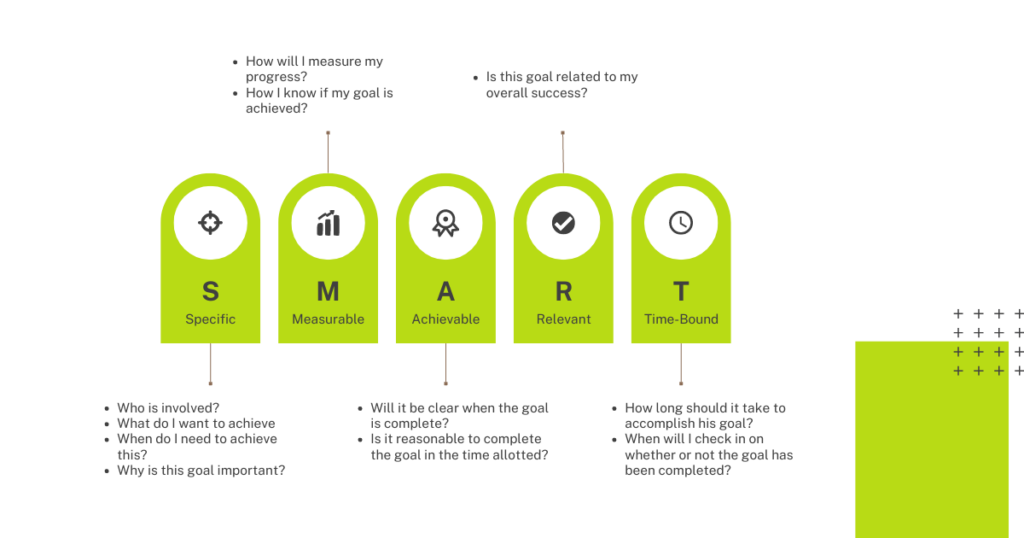
Specific
Goals must be precisely defined. For instance, instead of aiming for “financial independence,” specify “accumulating a retirement fund of $1 million by age 60.”
Measurable
Quantify your goals to track progress. For example, if your long-term goal is to pay off debt, determine a specific amount you aim to eliminate within a set timeframe.
Achievable
Goals should challenge you but remain realistic. Whether it’s buying a house, ensuring child and elder care, or settling debts, assess your current resources and devise a strategy that is feasible.
Relevant
Goals should align with your overall financial vision. If you’re targeting child care expenses, ensure it complements your other objectives such as retirement planning.
Time-bound
Set deadlines for your goals. Establish when you want to achieve milestones like buying a car, paying off a mortgage or retiring.
Long-Term Planning: Building a Solid Foundation
Long-term planning involves setting your sights on the bigger picture, taking into account various aspects of your life. Suits your specific needs.

Housing
Investigate the housing market, calculate a suitable down payment, and establish a timeline for purchasing a home that accommodates your financial capacity.
Debt Payment
Outline a repayment plan for your debts. Prioritise higher-interest debts while making consistent payments on others to regain financial freedom.
Child and Elder Care
Consider the costs of raising children and caring for elderly family members. Create a savings plan to meet these obligations without compromising your financial stability.
Healthcare/ Insurance and Emergency Funds
Account for health insurance premiums and medical expenses in your budget. Simultaneously, establish an emergency fund to handle unforeseen financial crises.
Retirement
Set clear retirement goals, determining the age at which you’d like to retire and the monthly savings required to lead a comfortable post-retirement life.
Monthly Budgeting: Navigating Fixed and Variable Expenses
Effective budgeting is the linchpin that transforms aspirations into tangible accomplishments. Categorise your expenses into fixed and variable components.
Fixed Expenses
Fixed expenses encompass consistent and recurring costs. These include mortgage or rent payments, insurance premiums and loan repayments. Allocate funds for these necessities before anything else.
Variable Expenses
Variable expenses are flexible and can change month to month. These encompass groceries, entertainment, transportation and discretionary spending. Set limits for each category to manage your finances effectively.
Achieving Synergy: Integrating Strategies
The synergy between SMART goal setting, long-term planning and budgeting is where true financial empowerment resides.

- Set SMART Goals: Utilise the SMART framework to set clear objectives for each facet of your financial life.
- Long-Term Vision: Incorporate your SMART goals into a comprehensive long-term plan that addresses housing, debts, caregiving, healthcare, emergencies and retirement.
- Budget Implementation: Translate your long-term plan into a practical monthly budget. Allocate funds for fixed expenses, establish limits for variable expenses and track your spending diligently.
- Regular Review: Consistently evaluate your progress. Are you adhering to your budget? Are you making headway toward your SMART goals? Adjust your strategies as needed.
By synergizing SMART goal setting, long-term planning and meticulous budgeting, you can create a powerful financial roadmap. This comprehensive approach ensures that you’re not only dreaming big but also taking practical steps toward realizing your aspirations.
Financial success is a journey that requires dedication, discipline and adaptability. As you integrate these strategies into your financial routine, you’ll be better equipped to overcome challenges, seize opportunities and secure a prosperous future.
Get in touch with us today and experience how a Financial Life Design can help you create a holistic plan.
Related Posts

Nurturing Tomorrow’s Minds: How to Plan for Your Children’s Education – A Guide for Expat Families
As parents, providing a sound education is one of the most valuable gifts we can give our children.

Safeguarding Your Wealth: The Essence of Asset Protection
Asset protection is a cornerstone of financial security and peace of mind. It involves identi

Business Travel: Company Insurance, MNCs, SMEs and Global Destinations
In the dynamic landscape of modern business, the world becomes a canvas upon which opportunities are