


Optimising Tax Efficiency: Strategies to Reduce Burdens and Maximise Profits
Home » Blog » Business Finance » Optimising Tax Efficiency: Strategies to Reduce Burdens and Maximise ProfitsTax management is a crucial aspect of financial planning for individuals and businesses alike. It involves employing strategies to minimise tax liabilities while maximising after-tax profits. In this article, we look into effective tax management techniques, including utilising tax deductions, credits and incentives, to achieve financial success.
The Power of Tax Efficiency
Tax efficiency is about making the most of available opportunities to reduce the amount of taxes you owe, ultimately leading to higher retained earnings. While paying taxes is an essential civic duty, employing legal and strategic methods to optimise your tax position is a wise financial move.
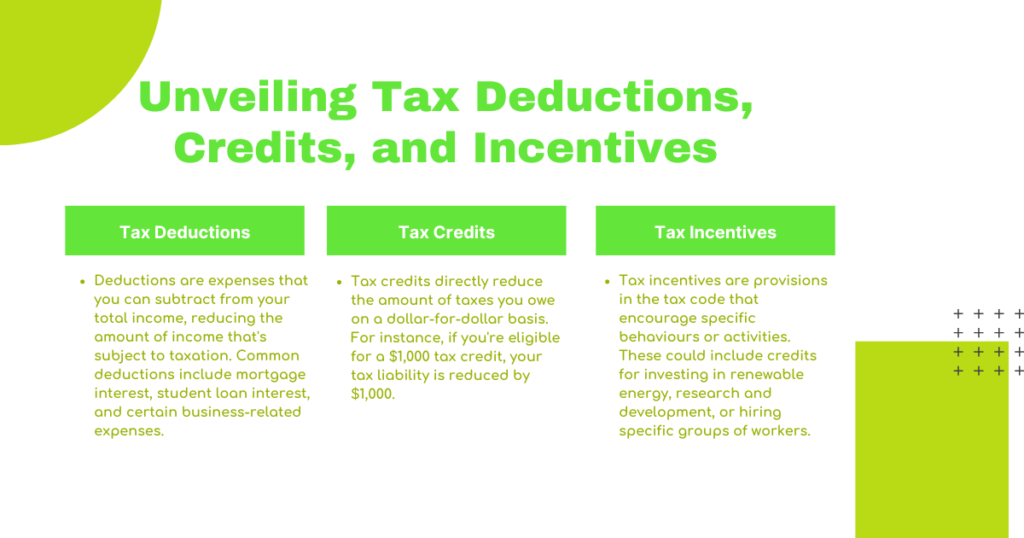
Unveiling Tax Deductions, Credits, and Incentives
- Tax Deductions: Deductions are expenses that you can subtract from your total income, reducing the amount of income that’s subject to taxation. Common deductions include mortgage interest, student loan interest, and certain business-related expenses.
- Tax Credits: Tax credits directly reduce the amount of taxes you owe on a dollar-for-dollar basis. For instance, if you’re eligible for a $1,000 tax credit, your tax liability is reduced by $1,000.
- Tax Incentives: Tax incentives are provisions in the tax code that encourage specific behaviours or activities. These could include credits for investing in renewable energy, research and development, or hiring specific groups of workers.
 Strategies for Effective Tax Management
- Regular Tax Planning: Proactive tax planning throughout the year allows you to identify opportunities for deductions and credits, rather than scrambling during tax season.
- Know Your Eligibility: Familiarise yourself with available deductions, credits, and incentives that align with your financial situation and goals.
- Keep Meticulous Records: Accurate record-keeping is essential to ensure you can claim all the deductions and credits you’re eligible for.
- Explore Business Deductions: If you’re a business owner, understand the business-related deductions available to you, such as operating expenses, depreciation, and employee benefits.
- Retirement Contributions: Contributing to retirement accounts not only secures your financial future but can also result in tax deductions.
- Charitable Contributions: Donating to qualified charities not only benefits causes you care about but can also lead to tax deductions.
- Education Expenses: Take advantage of tax credits and deductions for educational expenses, you may claim the actual course fees incurred by yourself, up to a maximum of $5,500 each year regardless of the number of courses, seminars or conferences you have attended.
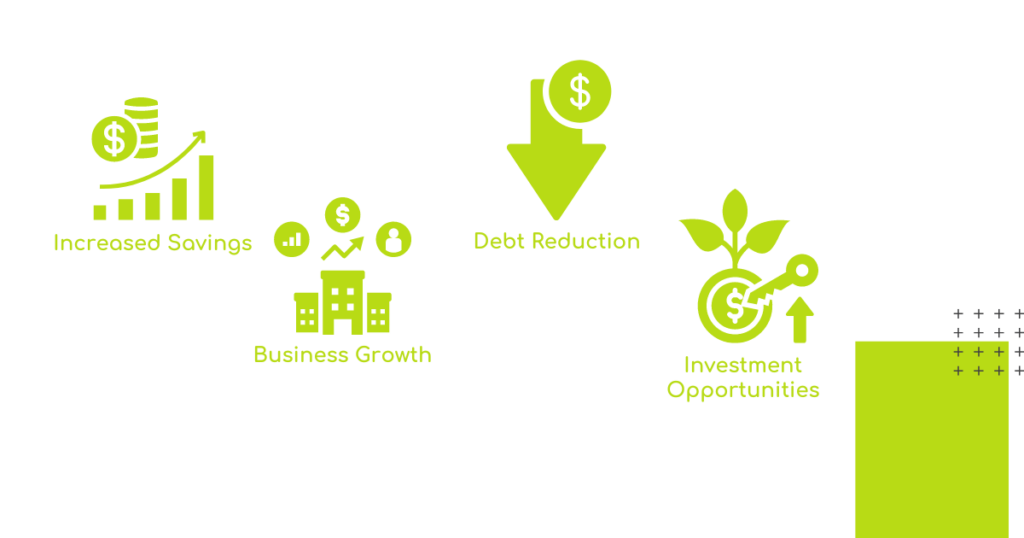 Maximising After-Tax ProfitsBy employing tax-efficient strategies, individuals and businesses can optimise their financial positions:
- Increased Savings: Reduced tax liabilities mean more money in your pocket to save or invest.
- Business Growth: For businesses, tax savings can be reinvested to fund growth initiatives.
- Debt Reduction: Additional funds from tax savings can be used to pay down debts more quickly.
- Investment Opportunities: Tax efficiency can free up funds for investments that yield higher returns.
Tax management is not about avoiding taxes but rather about optimising your financial position within the bounds of the law. By leveraging tax deductions, credits, and incentives, individuals and businesses can reduce their tax burdens and maximise after-tax profits.The strategies mentioned here offer a starting point, but every financial situation is unique. Seeking advice from tax professionals can help tailor these strategies to your specific circumstances, ensuring you reap the benefits of tax efficiency while staying compliant with tax laws. Financial Life Design can advise you on tax planning so get in touch. Effective tax management is a valuable tool that empowers you to achieve your financial goals with confidence.
Related Posts

Nurturing Tomorrow’s Minds: How to Plan for Your Children’s Education – A Guide for Expat Families
As parents, providing a sound education is one of the most valuable gifts we can give our children.

Safeguarding Your Wealth: The Essence of Asset Protection
Asset protection is a cornerstone of financial security and peace of mind. It involves identi

Business Travel: Company Insurance, MNCs, SMEs and Global Destinations
In the dynamic landscape of modern business, the world becomes a canvas upon which opportunities are