


Securing the Future: Business Legacy Planning and Corporate Asset Management
Home » Blog » Business Finance » Securing the Future: Business Legacy Planning and Corporate Asset Management

In the dynamic world of business, building a successful enterprise involves not only growth but also long-term sustainability. Business legacy planning and corporate asset management are two critical components that contribute to a company’s enduring success. In this article, we’ll delve into the significance of business legacy planning and the essential aspects of corporate asset management.
While Singaporeans are still struggling to adapt to the rising prices of services, food, retail and other goods, another wave hits – headline inflation is projected to be coming in at between 5.5% and 6.5%, which means that inflation may still be on the rise.
Business Legacy Planning: Ensuring Continuity and Impact
Business legacy planning goes beyond the present moment, envisioning a future where the company’s values, mission, and impact endure even in the absence of its current leadership. It’s about creating a roadmap that guides the company’s direction for generations to come.
Key Elements of Business Legacy Planning
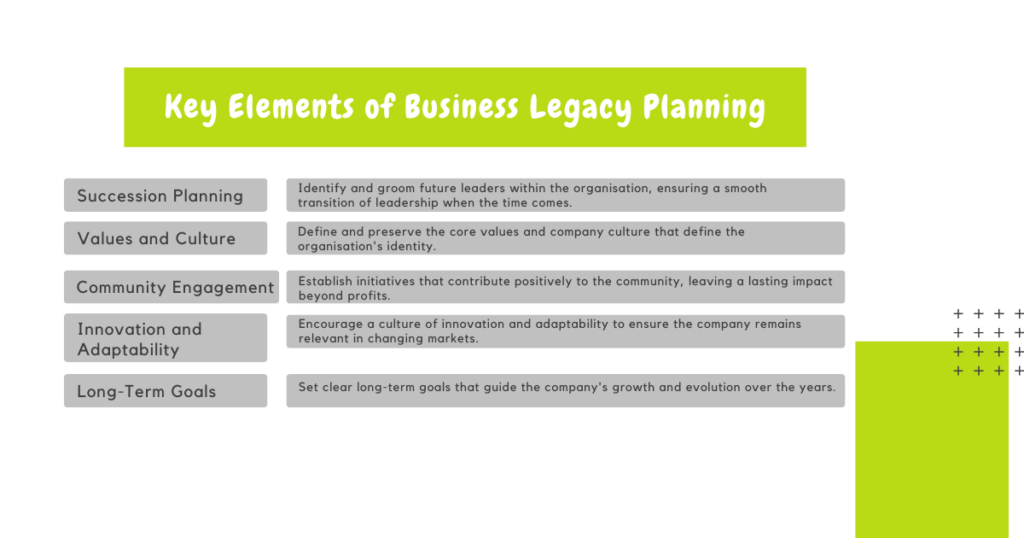
- Succession Planning: Identify and groom future leaders within the organisation, ensuring a smooth transition of leadership when the time comes.
- Values and Culture: Define and preserve the core values and company culture that define the organisation’s identity.
- Community Engagement: Establish initiatives that contribute positively to the community, leaving a lasting impact beyond profits.
- Innovation and Adaptability: Encourage a culture of innovation and adaptability to ensure the company remains relevant in changing markets.
- Long-Term Goals: Set clear long-term goals that guide the company’s growth and evolution over the years.
Corporate Asset Management: Maximising Resources and Efficiency
Corporate asset management involves the strategic oversight of a company’s resources to optimise their utilisation, increase efficiency and enhance overall performance. It encompasses both tangible and intangible assets, ranging from physical equipment to intellectual property.
Essential Aspects of Corporate Asset Management

- Asset Tracking and Inventory: Implement systems to track and manage all company assets, minimising losses and ensuring timely maintenance.
- Risk Management: Identify potential risks to assets and put strategies in place to mitigate them, protecting the company’s investments.
- Lifecycle Management: Plan for the entire lifecycle of assets, from acquisition to disposal, to maximise their value and minimise costs.
- Optimisation: Continuously evaluate asset performance and usage, making adjustments to ensure optimal resource allocation.
- Asset Valuation: Regularly assess the value of assets, both tangible and intangible, to make informed financial decisions.
The Synergy of Business Legacy Planning and Corporate Asset Management
The synergy between business legacy planning and corporate asset management is where a company’s enduring success is truly cultivated. A strong legacy plan ensures that assets are utilised to support the company’s long-term vision, while effective asset management ensures the resources needed for that vision are maintained and optimised.
Crafting a Resilient Business Strategy
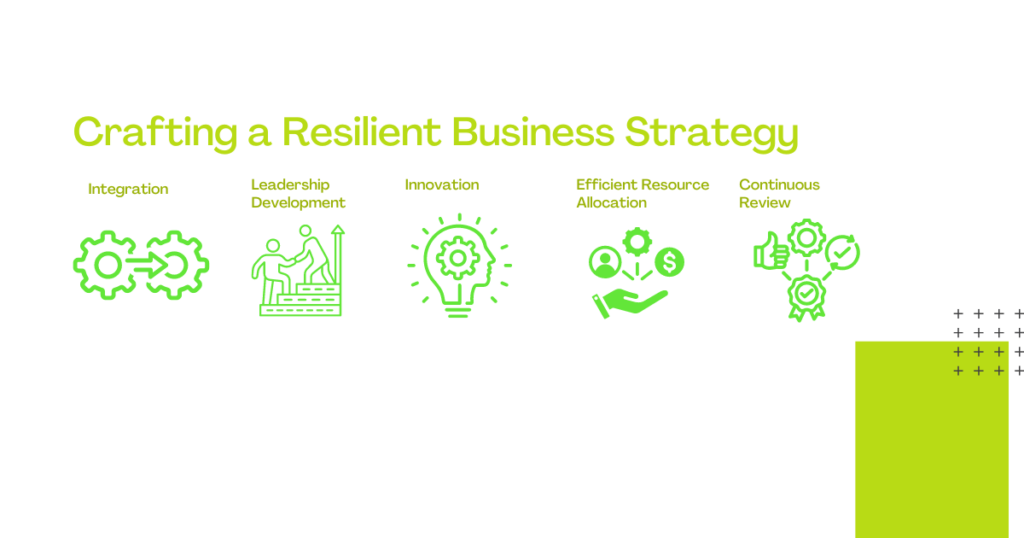
- Integration: Incorporate business legacy planning into your overall strategic vision, ensuring alignment with long-term goals.
- Leadership Development: Invest in leadership development to ensure a smooth transition of leadership and sustained growth.
- Innovation: Foster a culture of innovation to ensure the company remains competitive and adaptable over time.
- Efficient Resource Allocation: Implement corporate asset management strategies to maximise the value of your resources.
- Continuous Review: Regularly revisit and adjust your legacy plan and asset management strategies to remain relevant and effective.
Business legacy planning and corporate asset management are the cornerstones of a resilient and impactful business. By creating a legacy plan that encompasses values, culture, community engagement, and long-term goals, and by effectively managing tangible and intangible assets, a company can pave the way for success that transcends generations.
A Financial Life Design™ can help you with succession planning. Get in touch with us today with a holistic approach that not only secures a company’s future, but also cements its legacy as a force for positive change and innovation.
Related Posts

Nurturing Tomorrow’s Minds: How to Plan for Your Children’s Education – A Guide for Expat Families
As parents, providing a sound education is one of the most valuable gifts we can give our children.

Safeguarding Your Wealth: The Essence of Asset Protection
Asset protection is a cornerstone of financial security and peace of mind. It involves identi

Business Travel: Company Insurance, MNCs, SMEs and Global Destinations
In the dynamic landscape of modern business, the world becomes a canvas upon which opportunities are