



Before You Fly: Tackling the misconceptions of travel insurance
Home » Blog » General Finance » Before You Fly: Tackling the misconceptions of travel insurance

The COVID-19 pandemic has brought many changes to the way people travel. With travel restrictions, cancellations, and medical emergencies, travellers are more aware of the need for travel insurance than ever before. In the past, many travellers may have overlooked the importance of travel insurance. However, since the outbreak of the pandemic, travel insurance has become more prominent and essential. While travel insurance is now one of the top priorities, there are still some common misconceptions about what it covers.
High Risk Activities
Be it paragliding over the Bali oceans or bungee jumping over a cliff in Phuket, most of us are quick to assume that all travel insurances cover these high-risk activities overseas.
It is important to note that not all travel insurance policies provide coverage for high-risk activities. These activities may include extreme sports, such as bungee jumping, skydiving, or scuba diving. Travellers who plan to participate in these activities should ensure that their travel insurance policy includes coverage for such activities. In some cases, additional premiums may be required to add coverage for high-risk activities.
Pre-Existing Conditions
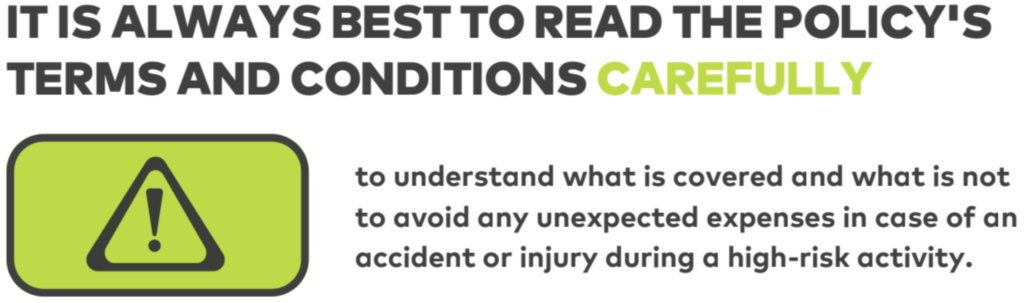
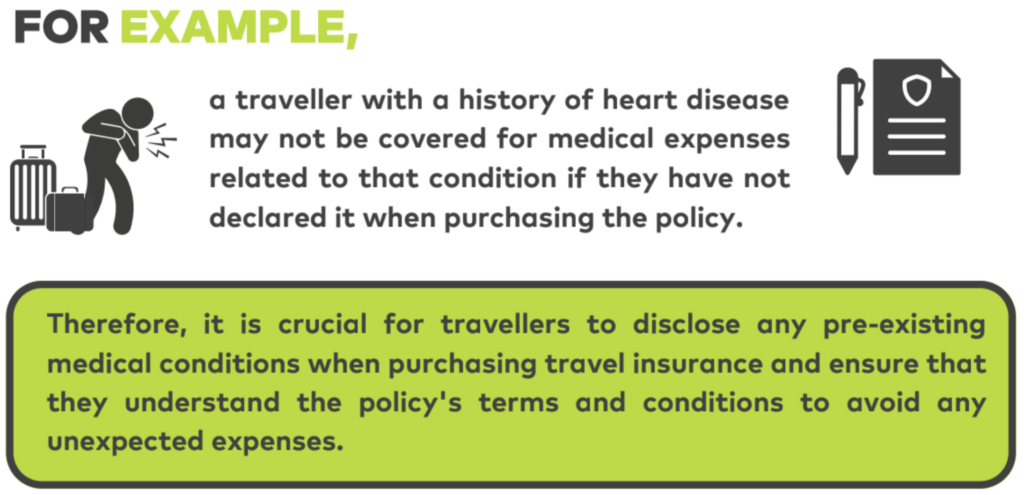
One common misconception about travel insurance is that it covers pre-existing medical conditions. While some travel insurance policies may offer coverage for pre-existing conditions, it is essential to read the policy’s terms and conditions carefully. Some policies may exclude coverage for pre-existing conditions, while others may require additional premiums to provide coverage.
Personal Negligence
Another common misconception about travel insurance is that claims can be made for personal negligence. Some travellers may believe that they can make claims for incidents such as losing their passport, missing a flight due to oversleeping, or losing their luggage due to their own negligence. However, most travel insurance policies do not cover personal negligence, and it is essential to read the policy’s terms and conditions carefully to understand what is covered.
For example, a traveller who misses their flight due to oversleeping may not be covered for the cost of a new flight if it is deemed to be their personal negligence. Similarly, if a traveller leaves their luggage unattended and it gets stolen, they may not be covered for the loss of their luggage.

Be Safe, Be Aware
Travel insurance is an essential part of any travel plan and can provide peace of mind and financial protection in the face of unexpected travel-related expenses. However, it is essential to understand the common misconceptions about travel insurance, and as with any insurance policy, it is important to read the terms and conditions carefully to understand what is covered and what is not.
If you have any questions with regards to purchasing or finding out more about what your travel policy should cover, speak to us today!
Related Posts

Nurturing Tomorrow’s Minds: How to Plan for Your Children’s Education – A Guide for Expat Families
As parents, providing a sound education is one of the most valuable gifts we can give our children.

Safeguarding Your Wealth: The Essence of Asset Protection
Asset protection is a cornerstone of financial security and peace of mind. It involves identi

Business Travel: Company Insurance, MNCs, SMEs and Global Destinations
In the dynamic landscape of modern business, the world becomes a canvas upon which opportunities are